


1. Product Design and Prototype Development
- Functional Design: Define the product’s features and its hardware/software architecture based on user requirements.
- Circuit Design: Create the schematic diagram and PCB (Printed Circuit Board) layout.
- Software Design: Develop the corresponding embedded software, mobile apps, or cloud systems according to the product’s intended functions.
- Prototype Creation: Build a functional prototype to verify that the design meets the requirements.
- Testing and Iteration: Perform functionality and performance tests on the prototype, and refine or improve the design as needed.
2. Material Procurement (BOM List)
- BOM Preparation: List all components and materials required for production.
- Supplier Selection: Identify reliable suppliers to ensure component quality and timely delivery.
- Cost Control: Reduce costs through bulk purchasing.
- Material Inspection: Conduct quality checks on incoming materials to ensure they meet the specifications.
3. Volume Production & Delivery
- Small-Batch Verification: Conduct a pilot run using small-batch production on the completed design to validate the manufacturing process.
- Mass Production: Archive all technical documents and data, then transfer them to the factory for large-scale, full-volume production.
3. Manufacturing Process Development
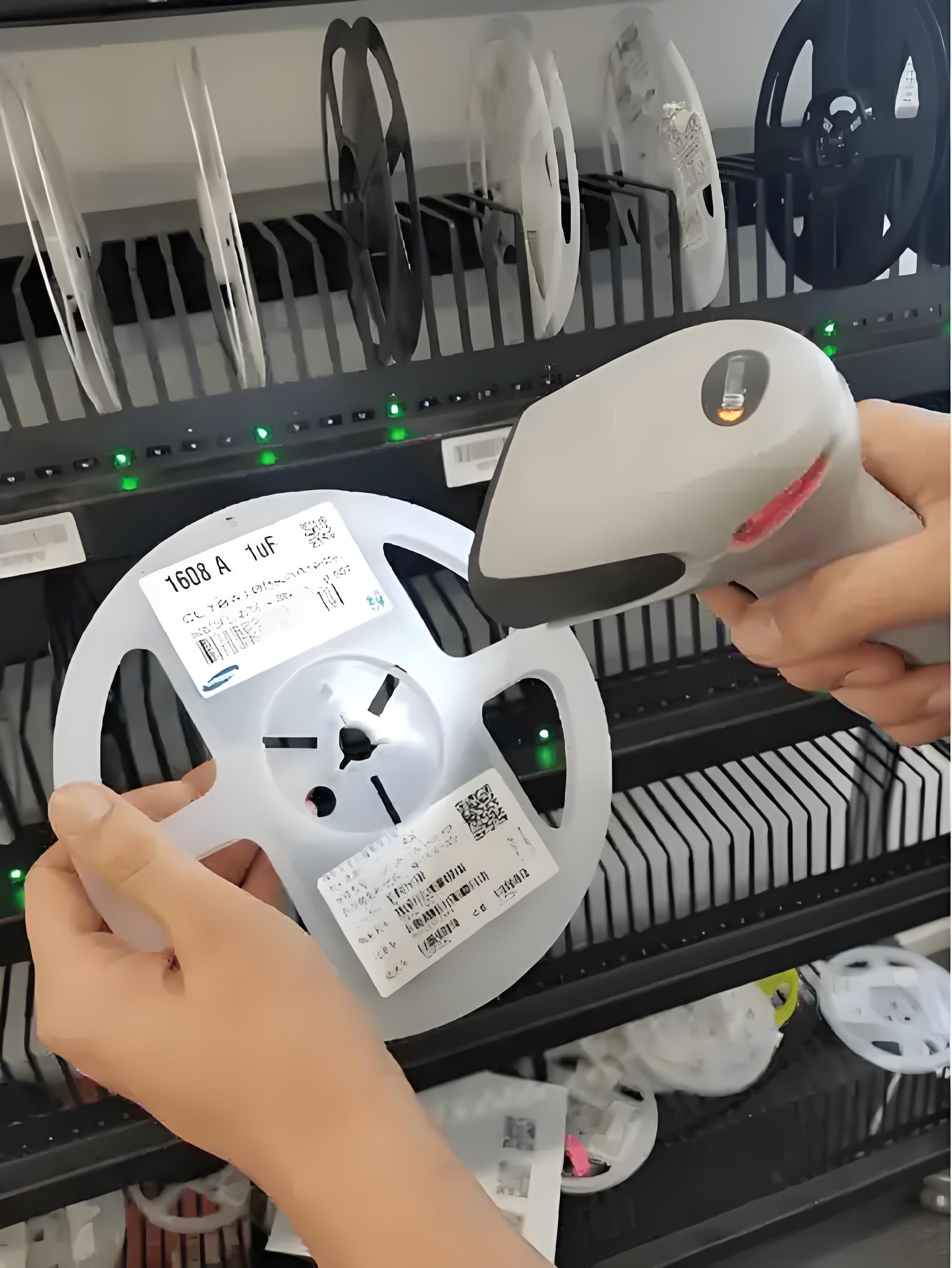
- Process Design: Develop detailed manufacturing workflows (e.g., soldering, assembly) based on product design.
- Test Fixture Design: Create specialized testing tools for mass verification of product functionality and performance.
- Production Line Planning: Design the production line layout and allocate manpower and equipment.
4. Mass Production
- SMT (Surface Mount Technology): Solder electronic components onto PCBs using SMT.
- DIP (Dual In-line Package): Perform manual soldering for through-hole components.
- Assembly: Combine the PCB with other parts such as enclosures, displays, and buttons.
- Automation: Use automated equipment to improve production efficiency and product consistency.
5. Product Testing
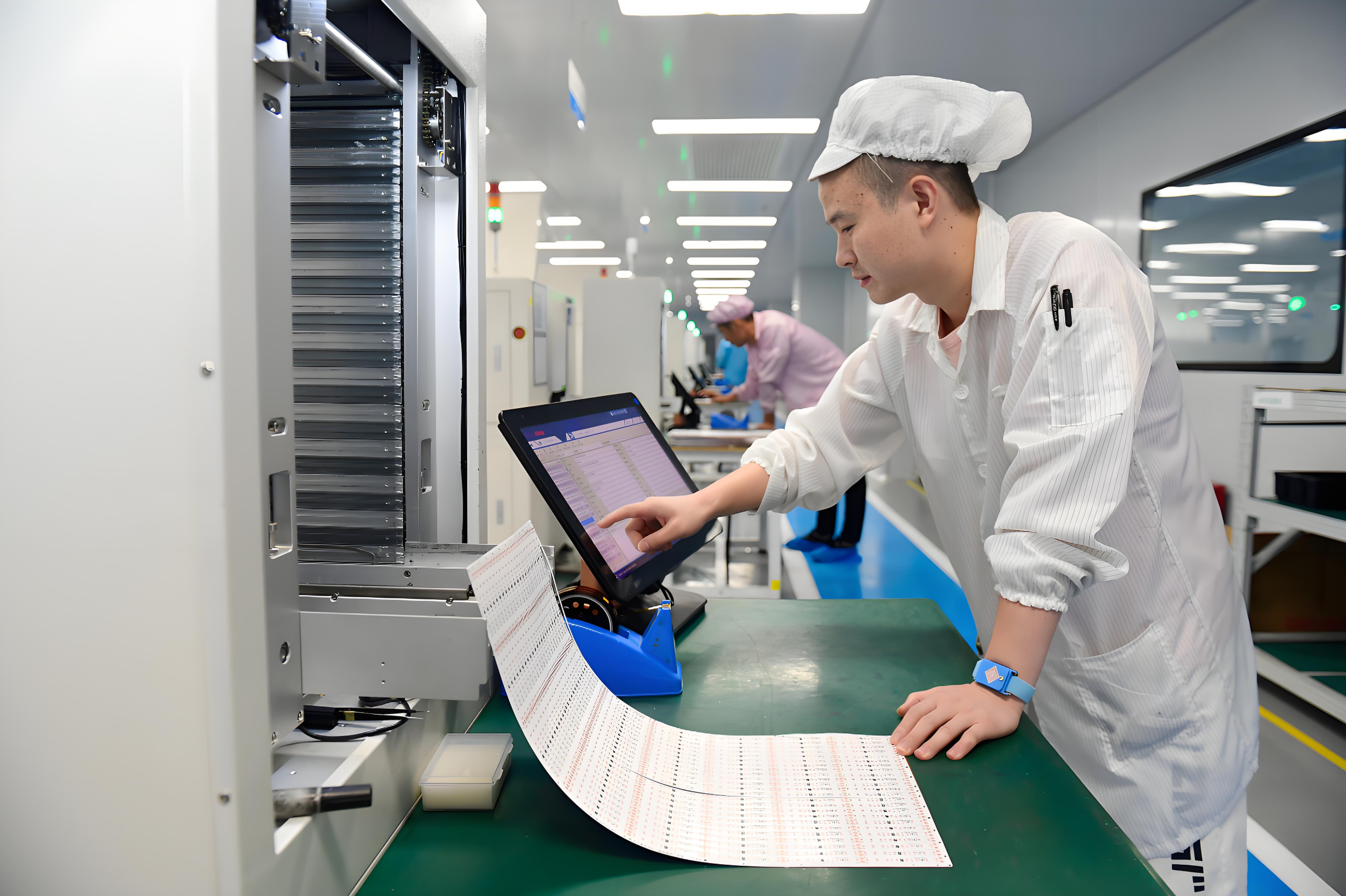
- Functional Testing: Verify the electrical functionality and performance of each product.
- Burn-in Testing: Conduct extended operation tests to check for stability and durability.
- Quality Sampling: Perform random inspections to ensure batch quality.
6. Packaging and Logistics
- Packaging Design: Create suitable packaging to protect the product during transportation.
- Batch Packaging: Use automated equipment to package products in bulk.
- Logistics Management: Arrange transportation and delivery based on customer orders.
7. After-Sales Support
- Technical Support: Provide guidance and technical assistance to customers.
- Product Maintenance: Establish a quality feedback mechanism to address after-sales issues and improve the product.