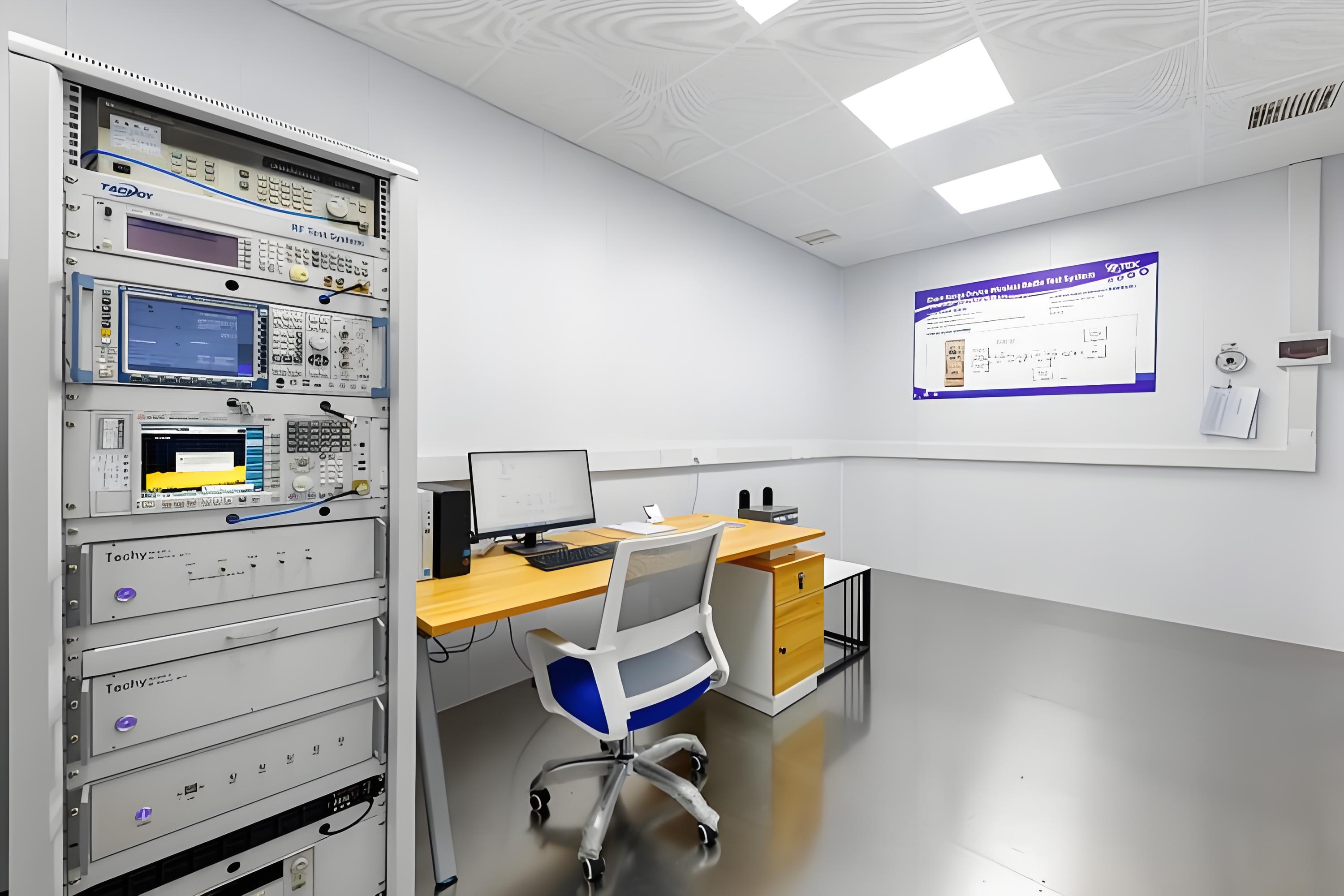
Before being launched onto the market, electronic products must undergo a series of tests and certifications to ensure their functionality, safety, and compliance with market regulations. We can provide testing for compliance certifications required by other countries or regions, such as FCC, 3C, CE, UL, etc. Below are some parts of the testing and certification projects for electronic products:
1. Functional Testing
- Purpose: To verify that the product operates as designed.
- Content:
- Hardware functional testing: Check whether each module (e.g., power supply, communication interfaces, sensors) works properly.
- Software functional testing: Test whether the firmware or embedded software functions and logic are correct.
- Compatibility testing: Ensure the product is compatible with other devices or systems.
2. Performance Testing
- Purpose: To evaluate the product’s performance under various conditions.
- Content:
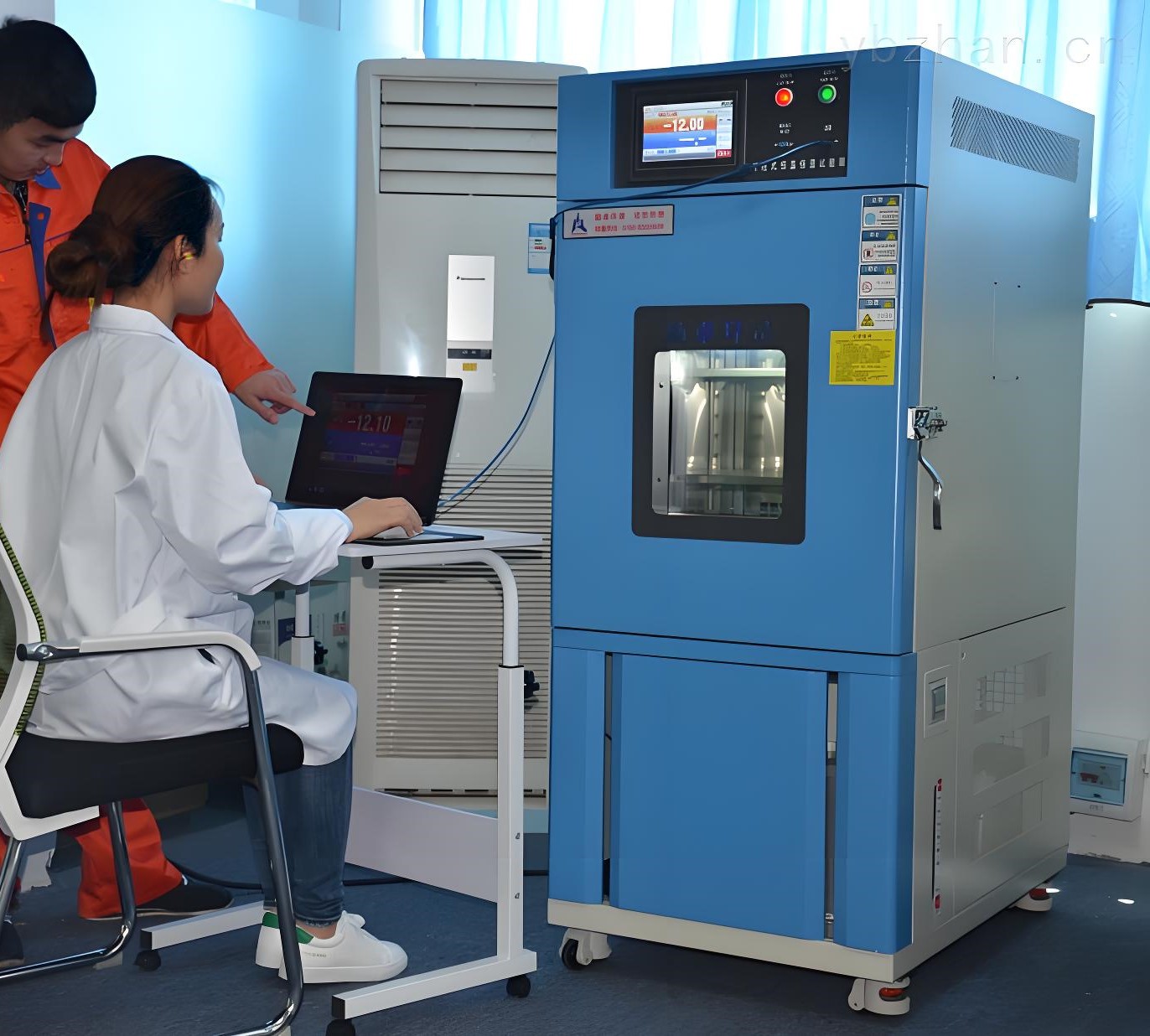
- Temperature and humidity testing: Evaluate the product’s performance under high temperature, low temperature, and high humidity environments.
- Aging testing: Run the product continuously for an extended period to assess its durability and stability.
- Power consumption testing: Measure the product’s power consumption to ensure it meets the design specifications.
3. Electrical Safety Testing
- Purpose: Ensure the product’s electrical safety to protect users and equipment.
- Content:
- Dielectric Withstand Test: Check the product’s insulation capability under high voltage.
- Grounding Resistance Test: Ensure the grounding resistance meets requirements.
- Leakage Current Test: Detect unsafe leakage currents in the product.
4. Electromagnetic Compatibility (EMC) Testing
- Purpose: Ensure the product operates normally in an electromagnetic environment without interfering with other devices.
- Content:
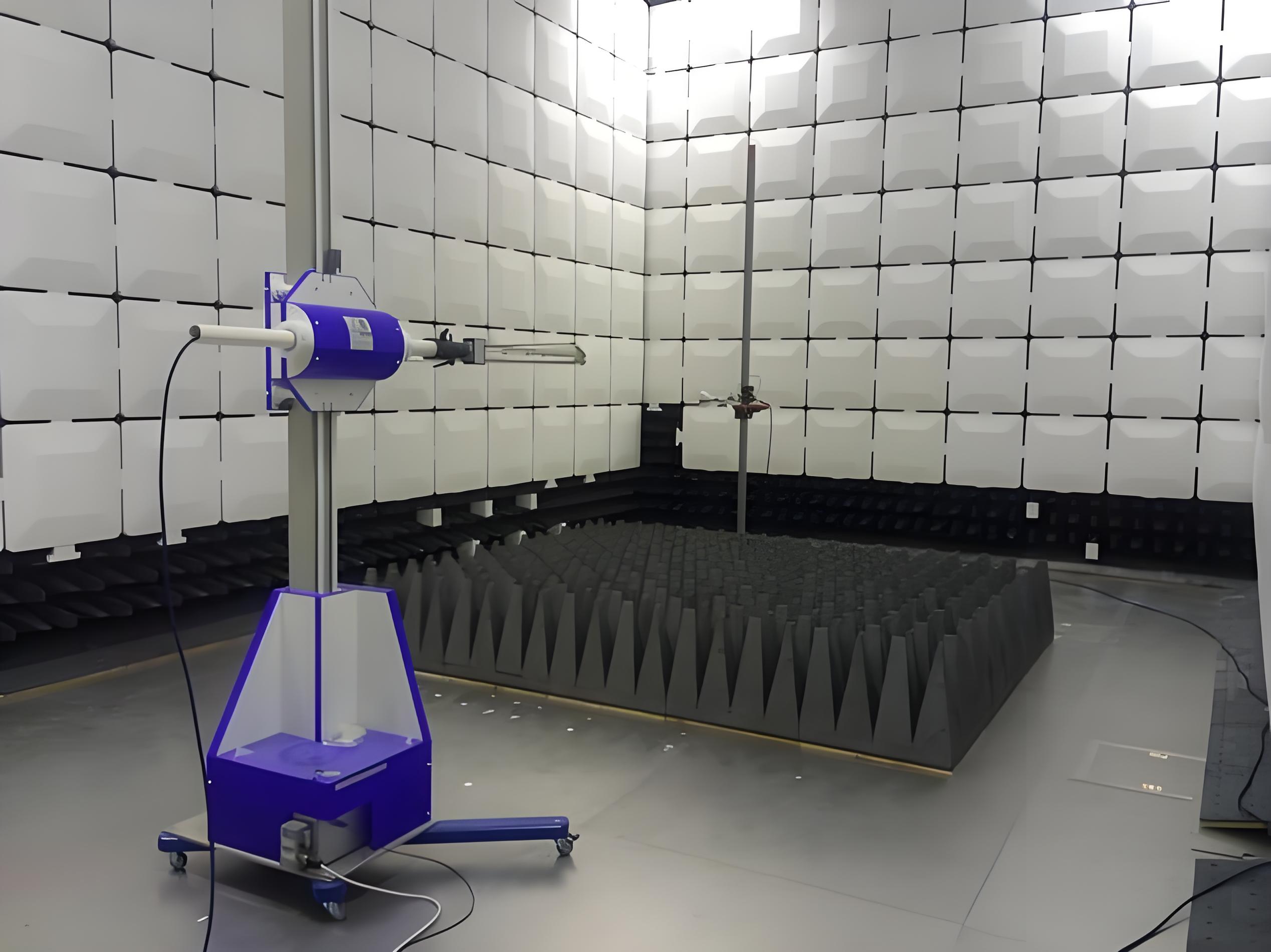
- Radiated Emission Test: Measure the electromagnetic waves emitted by the product to ensure they do not exceed standard limits.
- Conducted Emission Test: Detect electromagnetic interference conducted through power lines.
- Immunity Test: Evaluate the product’s resistance to external electromagnetic interference (e.g., ESD, EFT).
5. Wireless Communication Testing (for wireless devices)
- Purpose: Ensure wireless devices’ communication performance and spectrum compliance.
- Content:
- Transmit Power Test: Check whether the transmission power of the wireless signal meets standards.
- Spectrum Analysis: Ensure the signal frequency complies with regulatory requirements.
- Sensitivity Test: Assess the device’s ability to receive weak signals.
6. Environmental Reliability Testing
- Purpose: Verify the product’s reliability under various extreme environmental conditions.
- Content:
- Vibration Test: Simulate vibration conditions during transportation or usage.
- Drop Test: Assess the product’s performance after being dropped from a certain height.
- Salt Spray Test: Evaluate the product’s durability in a corrosive environment.

7. Certification Projects
- Mandatory Certifications:
- CCC Certification (China): Mandatory safety certification for products in the Chinese market.
- CE Certification (EU): Indicates compliance with EU safety and environmental standards.
- FCC Certification (USA): Ensures electromagnetic compatibility and radio frequency compliance for the U.S. market.
- Industry-Specific Certifications:
- UL Certification (North America): Safety certification for electrical products.
- RoHS Certification (Global): Restriction of Hazardous Substances directive to ensure the product is free of harmful chemicals.
- ISO Standards: For example, ISO 9001 (Quality Management System Certification).