

-
Location
China,Shenzhen -
Contact
+86-13510458690

2024-12-28
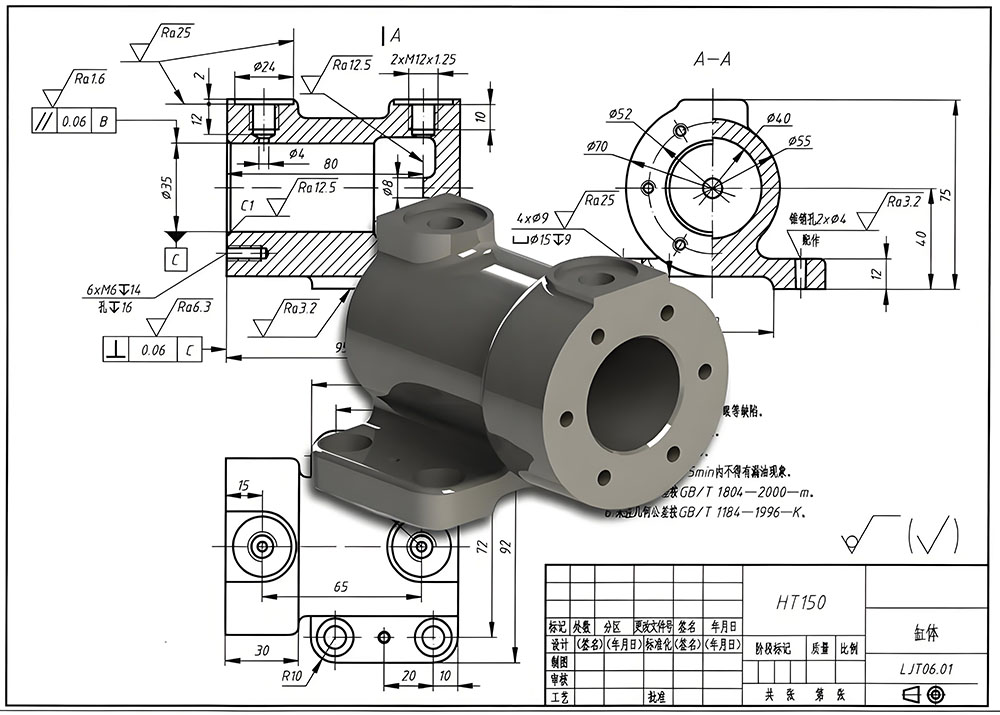
The design of a product’s appearance and enclosure must meet functional requirements while considering aesthetics, structural integrity, and production cost. After design completion, a series of validation processes are necessary to ensure feasibility and reliability. Below are the main steps for designing and validating product appearance and enclosures: 1. Requirement Analysis 2. Appearance Design 3. Enclosure Structural Design 4. Prototype Creation 5. Validation and Testing 6. Production Preparation 7. Mass Production and Monitoring
2024-12-28
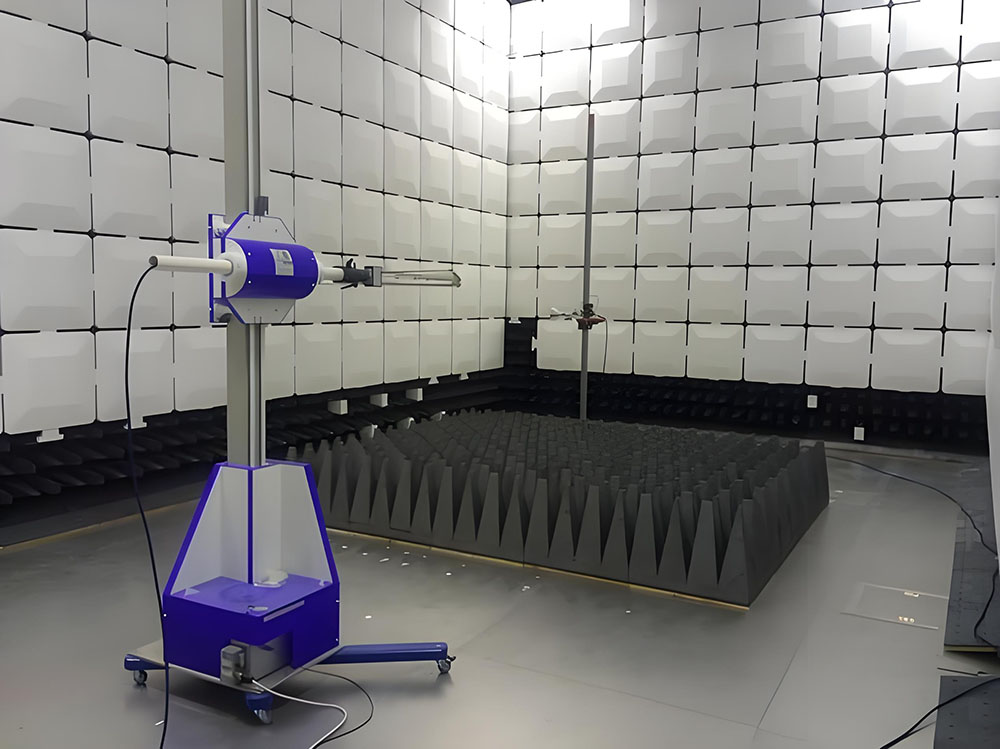
Before being launched onto the market, electronic products must undergo a series of tests and certifications to ensure their functionality, safety, and compliance with market regulations. We can provide testing for compliance certifications required by other countries or regions, such as FCC, 3C, CE, UL, etc. Below are some parts of the testing and certification projects for electronic products: 1. Functional Testing 2. Performance Testing 3. Electrical Safety Testing 4. Electromagnetic Compatibility (EMC) Testing 5. Wireless Communication Testing (for wireless devices) 6. Environmental Reliability Testing 7. Certification Projects
2024-12-28
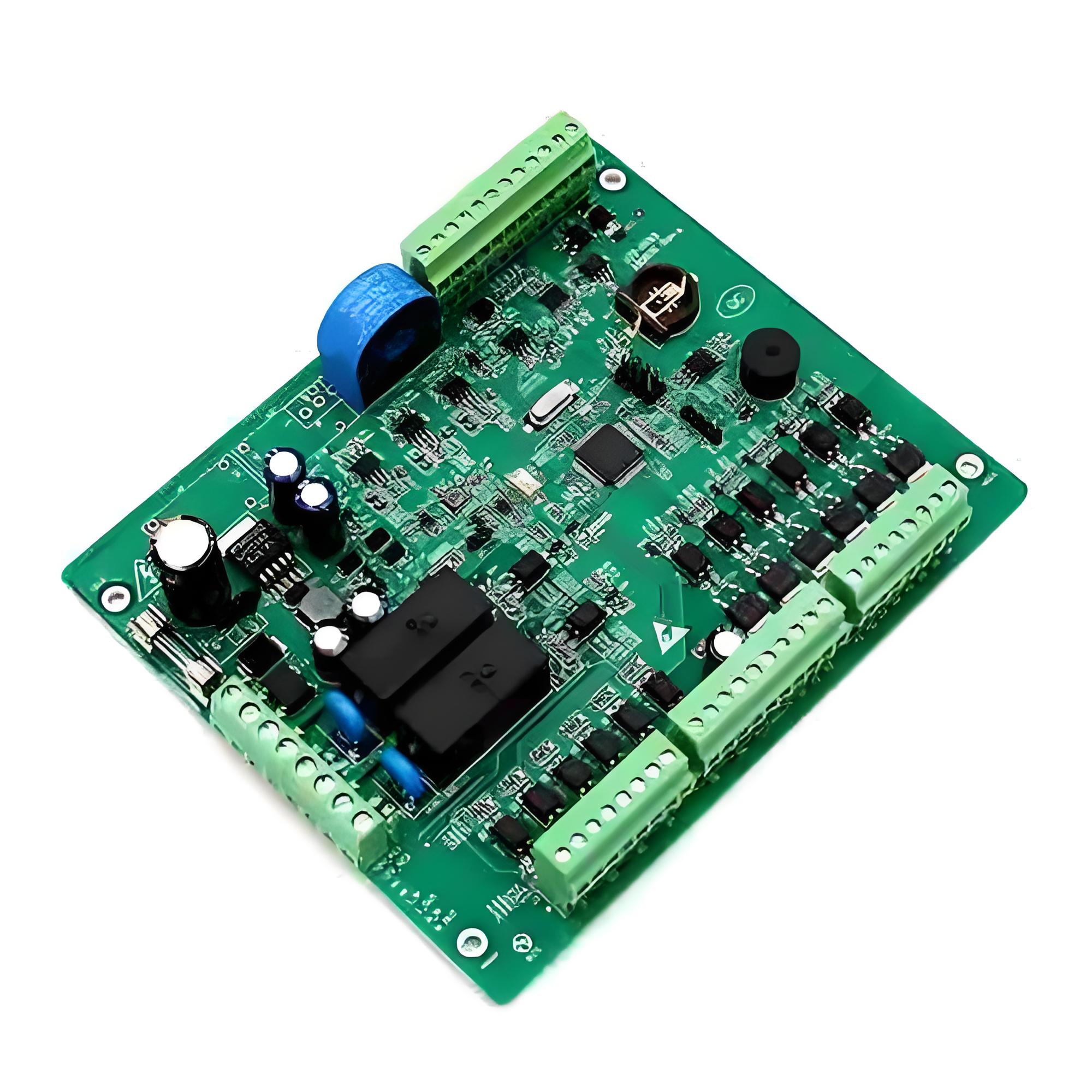
Hardware circuit design is a critical part of electronic product development and typically involves the following steps: 1. Requirement Analysis 2. Solution Design 3. Schematic Design 4. PCB Design 5. Simulation and Validation 6. Fabrication and Soldering 7. Testing and Debugging 8. Finalization and Mass Production
2024-12-28
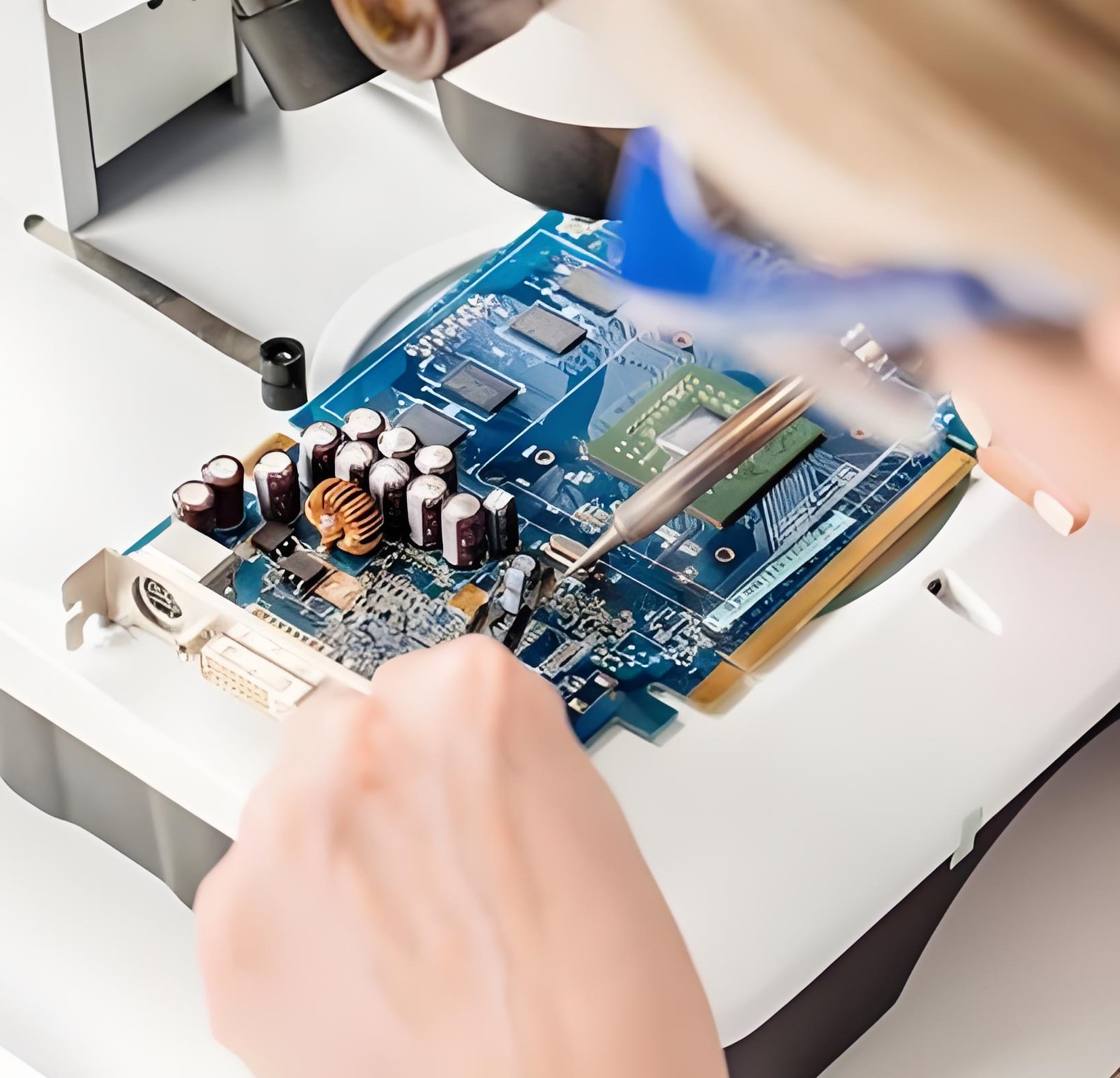
1. Product Design and Prototype Development 2. Material Procurement (BOM List) 3. Volume Production & Delivery 3. Manufacturing Process Development 4. Mass Production 5. Product Testing 6. Packaging and Logistics 7. After-Sales Support
2024-12-28
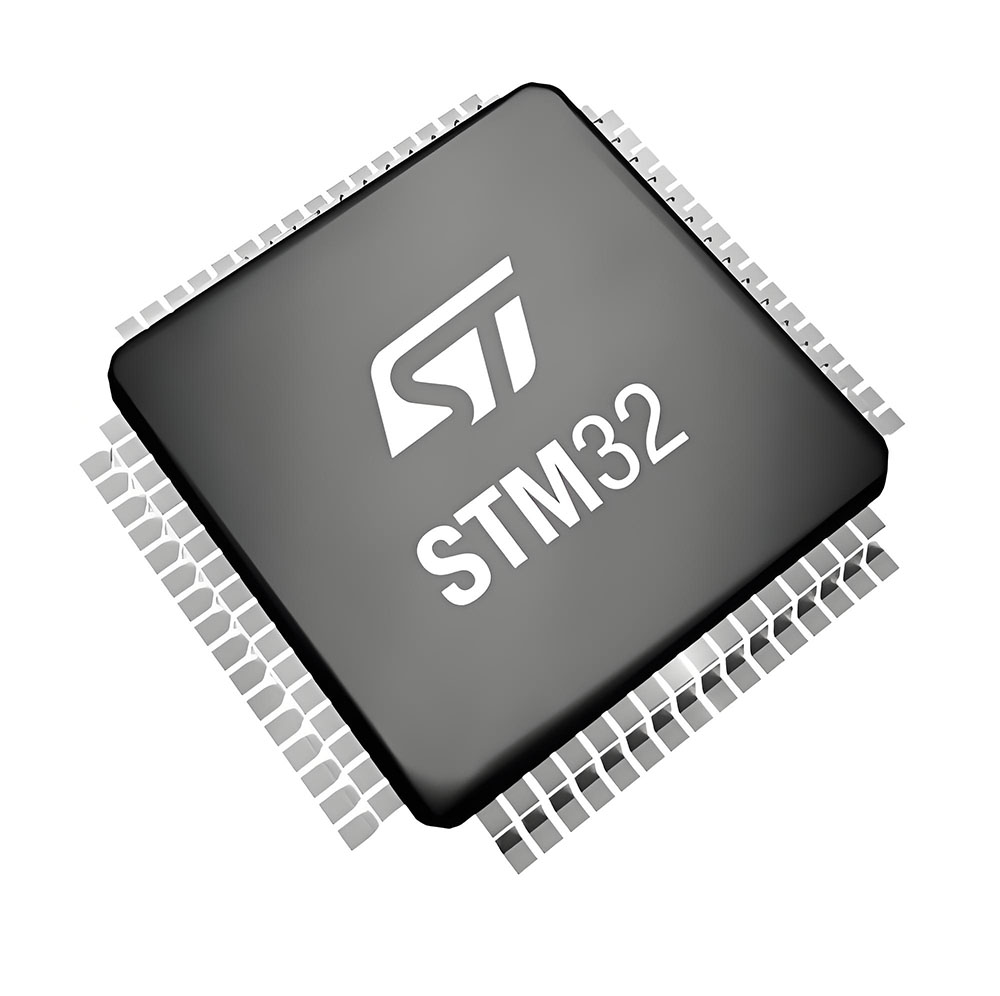
Embedded Software Design for Processors Based on ARM, MCS51, and RISC-V Architectures Embedded software design involves developing efficient and reliable software tailored for specific hardware architectures to meet the functional requirements of a device. Below is an overview of the characteristics and design methodologies for processors based on ARM, MCS51, and RISC-V architectures. 1. ARM Architecture Characteristics: Design Methodology: 2. MCS51 Architecture Characteristics: The above image shows commonly used, higher-performance, and low-cost MCS51 MCU STC 15Wxxx Design Methodology: 3. RISC-V Architecture Characteristics: The above image is of Nanjing Qinheng Microelectronics Co., Ltd. RISC-V: CH32V. Design Methodology: General Design Principles
2024-12-28
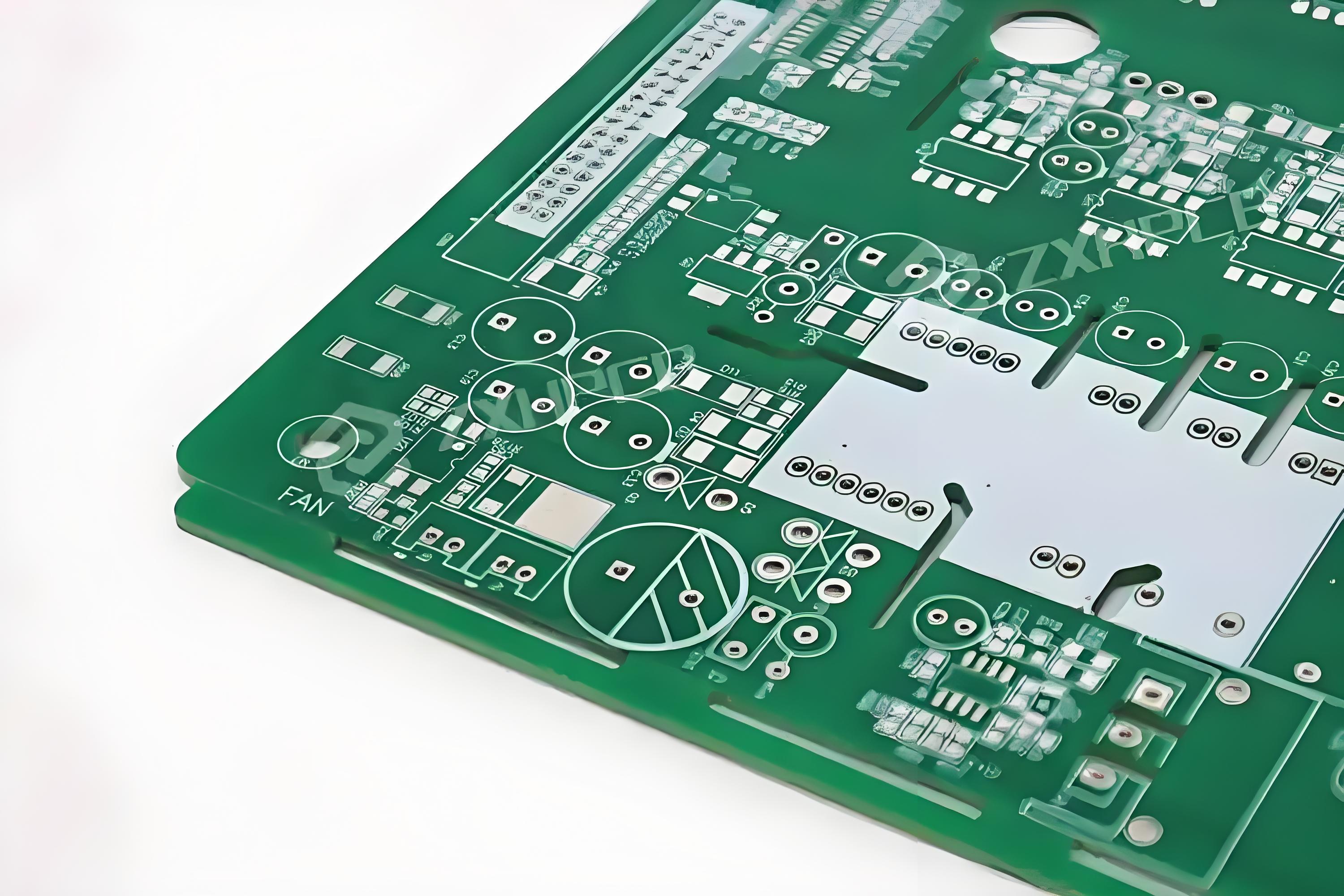
We specialize in using Altium Designer, Cadence and Protel design PCB boards for 1-6 layers, including FR-4 boards 、 aluminum substrate boards and FPC bords,We will been still to be a leader and construction of our product supplier specialists, In Shenzhen and surrounding areas, there are many professional PCB manufacturers who can easily carry out mass production of PCB boards。 Core manufacturing capability parameters of our PCB boards: Key Process Advantages Equipment & Quality Control System Application Scenarios & Recommendations